
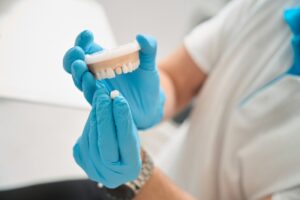
Dental crowns are one of the most reliable and durable restorative treatments available. Whether you need one to protect a damaged tooth, restore a cavity too large for a filling, or complete a root canal or dental implant, crowns play a crucial role in strengthening your smile. But just like any dental restoration, they aren’t meant to last forever. So, how long can you expect a dental crown to hold up?
Their lifespan depends on several factors, including the material used, your oral hygiene habits, and the amount of wear and tear the crown endures.
The Role of Crown Material
Different crown materials come with different levels of durability:
- Porcelain and ceramic crowns look the most natural and are highly popular for front teeth. These typically last around 10 to 15 years.
- Porcelain-fused-to-metal crowns are stronger and may last a bit longer, though the metal edge may show over time.
- Metal crowns (gold or alloy) are extremely durable and can last decades due to their resistance to wear. They’re often recommended for back molars where chewing forces are strongest.
- Zirconia crowns, one of the newest options, combine strength and aesthetics and often last 15 to 20 years or more.
Choosing the right material with your dentist ensures a crown that fits your needs and lifestyle.
Oral Hygiene Matters
A crown itself cannot decay, but the natural tooth underneath still can, especially around the edges where bacteria can sneak in. Poor brushing and flossing allow plaque buildup that increases the risk of cavities and gum disease, both of which can compromise your crown.
Daily brushing, flossing, and regular dental checkups are essential for keeping the tooth beneath your crown healthy and stable.
Stress and Habits Affect Longevity
Teeth grinding, chewing ice, biting fingernails, or using your teeth to open packaging can all damage or loosen a crown. If you grind your teeth at night, wearing a nightguard can significantly extend your crown’s lifespan.
When to Replace a Crown
A crown may need replacement if it cracks, becomes loose, develops decay underneath, or shows signs of wear. If you feel pain, sensitivity, or notice changes in how your bite feels, it’s time to see your dentist.
A dental crown is a long-lasting investment in your oral health. With proper care and healthy habits, your crown can protect your tooth beautifully for many years to come.
About the Author
Dr. Rupeshwar Renkuntla has nearly two decades of experience in the dental field and counting. He is a graduate of the University of Oklahoma, where he received his Doctor of Dental Surgery degree. Today, Dr. Renkuntla stays current with the latest developments in his field through memberships in the American Dental Association and the Texas Dental Association. If you need to restore your smile with crowns, schedule an appointment online or call (817) 989-2832.