
A severely damaged tooth can leave you unable to chew and speak properly, but a dental crown will let it continue to function normally. At Saginaw Dental, the crowns that Dr. Renkuntla provide are made out of durable materials that can be shaded to resemble your natural teeth as closely as possible; there’ll be no need for metal materials that draw unwanted attention whenever you smile. If you need quality tooth repair in the near future, call our office today!

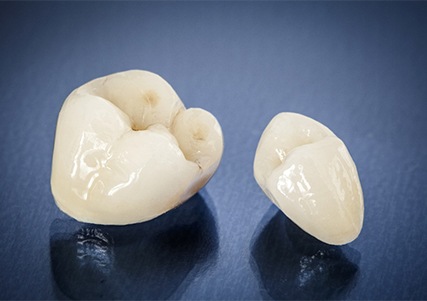
Crowns are often used to repair major cracks and fractures, but they’re also recommended for severe decay. Candidates for dental crowns have at least one tooth that is too badly damaged for a filling. Said tooth still needs to have enough natural structure remaining to support the crown; if too much of the tooth has been broken off, we may need to consider an extraction instead.
We may also give you a crown in the following situations:
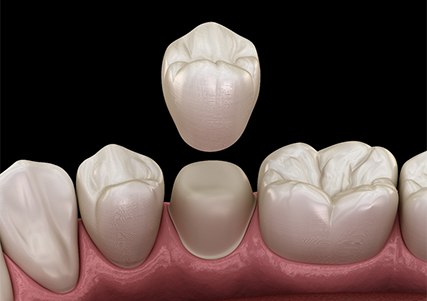
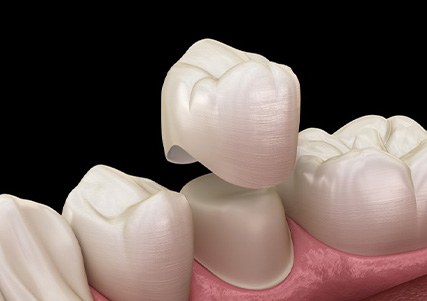
After we’ve examined the tooth, we’ll trim it down slightly so that there’s enough room for the crown to be placed. We can then create an impression of your mouth and give you a temporary crown to keep your tooth safe. The impression is sent to a dental lab where experts will create a unique, beautiful restoration over the course of several weeks. Once it’s ready, you’ll simply return to our office so that we can permanently cement it in place.

Your crown will eventually need to be replaced, but you can hold on to it for many years with proper maintenance. Avoid biting down on peppermints, fingernails, and other hard objects that could wear down or break the restoration. Also, don’t forget to brush, floss, and rinse twice daily; crowns can’t develop cavities, but the teeth they rest on are still vulnerable to decay. During your regular checkups, Dr. Renkuntla can check your crown for damage and make any necessary adjustments or repairs.
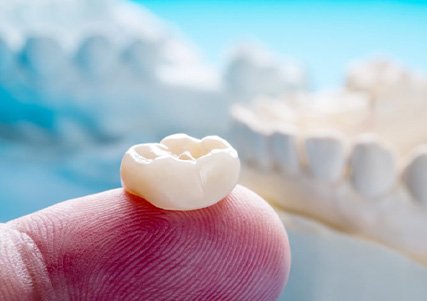
It’s perfectly normal to wonder how much your dental crown will cost even if you know it is the best way to restore your tooth and preserve your oral health. While it’s difficult to offer a proper cost estimate until we’ve seen you at our Saginaw office for your consultation, this brief guide can give you a better idea of what to expect. Investing in a dental crown may prevent a host of oral health problems that are costly to treat, and it’s important to remember that the confidence well-shaped teeth can provide is priceless.
A few important factors that determine most of the cost of a dental crown include:
When considering dental crowns, it’s important to understand that you can expect to get what you pay for. A cheap restoration may not last long and can leave the tooth vulnerable to injury and infection. High-quality crowns from Saginaw Dental are the best way to ensure that your smile stays healthy and beautiful.

Most dental insurance plans consider dental crowns to be necessary restorative appliances if they are used to rebuild teeth after infection or injury, so they are usually covered by about 50% or more. Crowns placed for aesthetic reasons, however, do not usually receive any coverage. During your consultation at our Saginaw office, we’ll be happy to help you navigate your insurance policy so you can know what it will pay for and file your claims when necessary.

We understand that some patients may need a little help fitting their dental crowns into their budgets, and we’re eager to ensure that everyone in Saginaw can afford the oral healthcare they need. To that end, we partner with CareCredit to provide our patients with flexible payment plans that break their bills into easy monthly payments. During your consultation, we’ll be happy to discuss your payment and financing options so you can find the best way to make your dental crown affordable.
Although they’re technically not permanent, dental crowns are a long-term solution to repair damaged teeth. In fact, they can protect a tooth for an average of five to 15 years.
Be aware that when your dentist reshapes your tooth for your crown, the procedure is irreversible because tooth enamel cannot grow back once it has been removed. Thus, that tooth will always need to have a crown for protection moving forward.
The good news is that your crown will protect the underlying tooth from additional damage, likely helping it to survive much longer than it would have otherwise.
To keep your crown in good condition, take excellent care of your smile with proper oral hygiene, regular preventive dental visits, and by wearing a mouthguard or nightguard if necessary.
No, technically it is impossible for a dental crown to develop cavities, but the tooth underneath your crown still can. In fact, crowned teeth have about the same risk of decay as uncrowned teeth.
That’s because poor oral hygiene can allow bacteria and plaque to accumulate around the gumline where your tooth meets the crown. They can then travel underneath the crown, attacking the underling tooth.
You can prevent cavities at home using the same methods you do for your natural teeth: with daily brushing and flossing, and regular preventive check-ups and cleanings at Saginaw Dental.
Just like with dental fillings, your dentist will always numb your tooth before beginning any work on your dental crown. In many cases, a topical anesthetic is all that is required.
When your crown is ready to be placed, you may not need numbing, however this is determined by your dentist on a case-by-case basis.
Once your tooth has been prepared (and sometimes after placement) it will likely feel a little sensitive for a few days, especially if you have also had a root canal. You can take over-the-counter pain relievers, but please call us if your discomfort worsens.
It is also important to remember that because your dental crown protects vulnerable teeth from damage, they could very easily prevent further dental pain in the future!
No matter the material your dental crown is made of it can’t be whitened like your natural teeth can. This is because natural tooth enamel has tiny pores through which the bleaching gels used in whitening products can enter to break apart tooth stains. Because prosthetic restorations don’t have those pores, your crown should always remain the same color.
Tooth-colored crowns are designed to match your smile as closely as possible. To reduce the risk of making your crown stand out in your arches, ask your dentist about professional teeth whitening treatment prior to your crown’s placement so it can be matched to the ideal shade of your teeth.